
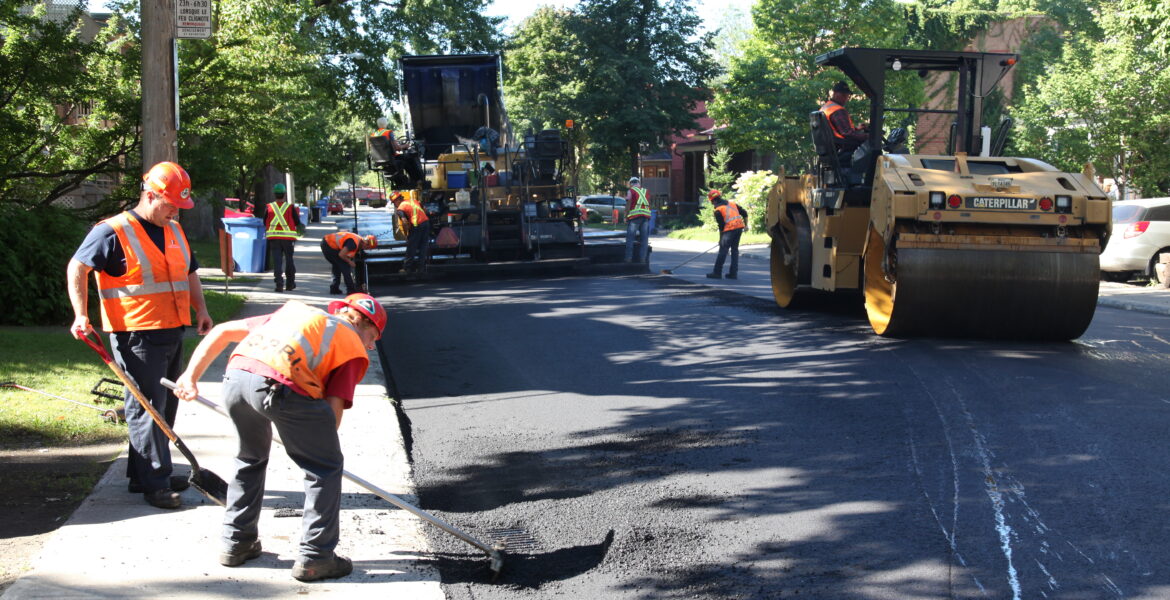
Road compaction equipment operates in one of the most severe vibration environments of any construction machine. A Bomag BW213 single-drum roller generates 400 kN of centrifugal force at its operating frequency of 28–35 Hz. That vibration is the machine’s entire purpose — and simultaneously its most destructive force if not properly isolated.
The rubber components in road compaction equipment exist for a specific reason: to contain the vibration where it belongs (the drum) and prevent it from destroying everything else (the chassis, the engine, the operator cab, the hydraulic system). When these components wear, vibration migrates where it shouldn’t. Structural cracks appear. Hydraulic fittings leak. Operators develop whole-body vibration exposure issues that trigger occupational health interventions.
This guide covers the rubber vibration isolation components in Bomag, Hamm, and Bitelli road compaction equipment — where they are, how they fail, and what to specify for replacement.
How Road Roller Vibration Isolation Works
A vibratory road roller creates compaction force by spinning an eccentric weight inside the drum at high frequency. The centrifugal force from the eccentric weight pushes the drum into the road surface with forces far exceeding the machine’s static weight.
The problem: this same centrifugal force acts in all directions — including upward into the chassis frame, rearward into the engine and hydraulic system, and laterally into the steering system.
The vibration isolation system uses rubber mounts at two levels:
Drum-to-frame isolation: Large rubber elements (drum mounts, exciter mounts) that isolate the vibrating drum from the main chassis frame. These carry the entire dynamic load of the drum system.
Frame-to-cab isolation: Smaller rubber mounts that isolate the operator cab from whatever residual chassis vibration passes through the drum-to-frame isolation system.
When drum-to-frame isolation mounts wear, chassis vibration increases dramatically. Bolted connections loosen. Hydraulic line fatigue cracks develop at fitting connections. Engine mount wear accelerates because the engine is now experiencing vibration it wasn’t designed to handle.
Bomag Road Roller Rubber Parts
Drum Isolation Mounts (BW Series)
Bomag single-drum rollers (BW213, BW219, BW226, BW266) use rubber-metal bonded drum isolation mounts arranged around the drum bearing housings. These mounts connect the drum bearing housing to the chassis frame and carry the combined static weight of the drum plus the dynamic loads from the eccentric weight system.
Specifications vary significantly between models:
– BW213 drum mounts: rated for approximately 3,500 kg static plus dynamic load
– BW266 drum mounts: rated for approximately 6,200 kg static plus dynamic load
Do not interchange drum mounts between roller models — the load ratings are not interchangeable, and installing a BW213 mount in a BW266 will result in overloading and rapid failure.
Failure indicators:
– Increased chassis vibration felt when riding the roller (distinct from the normal drum vibration sensation)
– Visible cracking or compression set in the mount rubber
– The drum appears to rock or shift horizontally under vibration — visible when watching from the side during operation
Replacement interval: Inspect at every 1,000 hours. Replace when compression set exceeds 8% or when cracks deeper than 3 mm appear.
Exciter Unit Rubber Mounts
Some Bomag models use rubber mounts at the exciter unit (the housing containing the eccentric weight mechanism) in addition to the drum bearing housing mounts. These carry pure dynamic load from the eccentric weight — no static weight component.
Exciter mounts typically use a harder rubber compound than drum bearing mounts, optimized for dynamic load rather than static support. Using a drum mount compound in an exciter position (or vice versa) changes the resonance characteristics of the system and can cause unwanted vibration amplification at certain operating frequencies.
Cabin Isolation Mounts (BW Series)
Bomag cabin mounts isolate the ROPS/cab structure from chassis vibration. Given that road rollers operate near the occupational vibration exposure limits in many jurisdictions, these mounts are both a comfort and a regulatory compliance issue.
Bomag cabin mounts use a progressive-rate rubber compound — relatively soft at normal vibration amplitudes, stiffening progressively to limit displacement at high-amplitude inputs (emergency stops, crossing road joints at speed).
When cabin mounts wear and stiffen with age, whole-body vibration transmitted to the operator increases even if the drum isolation system is intact.
Bomag Tandem Rollers (BW120, BW138, BW161 Series)
Tandem rollers have front and rear drums, each with independent vibration systems. Drum isolation mounts are required at both drums. Failure modes and specifications are similar to single-drum rollers, but inspect both front and rear drum mount conditions simultaneously — they wear at similar rates.
Hamm Road Compactors
Hamm (part of the Wirtgen Group) produces single-drum compactors and tandem rollers under the Hamm brand, and pneumatic tire rollers under the GRW designation.
HD Series Tandem Rollers
Hamm HD series tandem rollers (HD10, HD12, HD14) use a similar rubber isolation philosophy to Bomag but with different mount geometry. Key differences:
- Hamm HD series drum mounts use a sandwich mount design (rubber between two plates) rather than cylindrical mounts
- The drum isolation on HD series machines must maintain specific drum positioning relative to the frame for the screed height to remain consistent — worn mounts affect not just vibration but geometric positioning
HM and HL Series Single-Drum Compactors
Large Hamm single-drum compactors (HM500P through HM1600VO) use rubber mounts in similar locations to Bomag BW series. The HM series uses separate front frame and rear frame structures connected through an articulation joint — the articulation joint also includes rubber elements (articulation cushions) that are a common wear item.
Articulation cushion replacement: When articulation cushions wear, the frame articulation becomes loose and imprecise, affecting steering response. Replace when more than 5 mm of free play is measurable at the articulation joint.
Hamm Pneumatic Tire Rollers (GRW Series)
GRW series pneumatic rollers use rubber elements at the ballast box mounting and at the cab isolation system. The ballast box (which carries water or sand for variable weight ballasting) creates significant additional static load — the ballast box mounts must be specified for the maximum loaded condition.
Bitelli Paver and Road Machine Rubber Parts
Bitelli (now integrated into the Caterpillar AP series after the CAT acquisition) pavers use rubber isolation mounts at the engine mounting system and at the screed heating system.
The screed isolation mounts are specific to pavers — they must accommodate the thermal expansion of the heated screed while maintaining consistent screed geometry and vibration isolation. These are not interchangeable with general construction equipment mounts and should be specified by machine model.
Specifying Replacement Road Machine Mounts
Why Standard Mount Catalogs Don’t Work
The compaction equipment market is smaller than the general construction equipment market, and mount specifications are more diverse — different drum sizes, different eccentric weight configurations, and different operating frequency ranges mean that each machine model has specific requirements.
General catalogs that list rubber mounts by dimension without specifying the dynamic characteristics are inadequate for road compaction applications. A mount that is geometrically correct for a Bomag BW213 but formulated for a general-purpose anti-vibration application will have the wrong resonance characteristics and may amplify rather than attenuate the drum operating frequency.
When specifying replacement mounts for Bomag, Hamm, or Bitelli equipment, provide:
– Machine model and serial number
– OEM part number if available
– Whether the mount is a drum isolation position or cab isolation position
– Operating frequency of the vibration system (typically stamped on the data plate as “Vib. frequency” in Hz)
Babacan Group Road Machine Mounts
Babacan Group manufacturers rubber vibration mounts for road compaction equipment including Bomag, Hamm, and Dynapack machines. Our technical team specifies mounts to match the operating frequency and load requirements of each machine model, not simply to match the OEM part dimensions.
We supply to road construction companies and equipment dealers in Europe, the Middle East, and Asia through our 84-country distribution network. ISO 9001:2015 certified production with documented specifications.
Browse our road machine rubber parts or request a quote with your machine model and part requirements.
Key Takeaways
-
Road compaction equipment rubber mounts must match the operating frequency of the vibration system — not just the load rating. Wrong resonance characteristics can amplify rather than attenuate compaction vibration.
-
Drum isolation mount wear causes cascading chassis damage: Hydraulic line fatigue, bolt loosening, and structural cracks in the chassis frame are downstream consequences of worn drum mounts.
-
Cabin mount condition is a regulatory issue on road rollers: Whole-body vibration exposure limits apply to road roller operators. Worn cabin mounts can push operators over legal exposure limits.
-
Bomag and Hamm mounts are not interchangeable despite serving the same function — mount geometry and compound specifications are machine-specific.
-
Articulation cushions on Hamm HM series are a separate wear item from drum mounts — include them in the inspection scope when investigating frame movement issues.
Contact Babacan Group for Bomag, Hamm, and road compaction equipment rubber part specifications.
Word Count: ~1,450 words