

In the world of mechanical engineering and industrial manufacturing, vibration isolation plays a critical role in enhancing performance and prolonging the life of equipment. Among the most effective components developed for this purpose is the Polyurethane Damper. With its unique material characteristics and versatile applications, this damper is widely adopted across various industries.
What is a Polyurethane Damper?
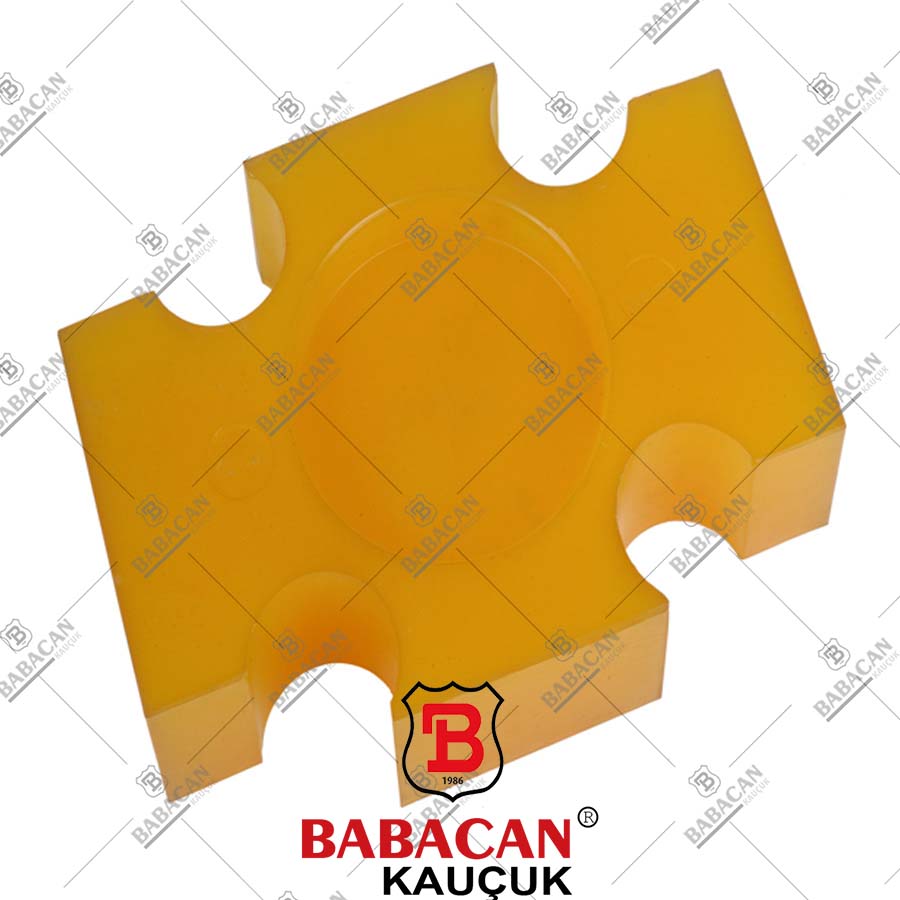
A polyurethane damper is an elastomeric component designed to absorb and dissipate energy from shock, vibration, or repetitive motion. Unlike traditional rubber, polyurethane offers greater load-bearing capacity, abrasion resistance, and lifespan. It’s commonly used in vibration isolation systems, suspension mounts, and machinery cushions.
Technical Specifications
- Material: High-density Polyurethane (Shore A 70–90)
- Operating Temperature: -40°C to +90°C
- Hardness: Customizable based on application
- Resilience: High rebound and tear strength
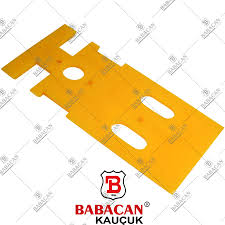
- Available Shapes: Cylindrical, conical, block, and custom-molded forms
Why Choose Polyurethane Over Rubber?
Polyurethane dampers offer several advantages over natural and synthetic rubber components:
- Longer wear life and lower maintenance frequency
- Better resistance to oils, solvents, and extreme environmental conditions
- Custom stiffness and load range options
- Improved energy dissipation efficiency
Industrial Applications
Due to their mechanical reliability and material flexibility, polyurethane dampers are frequently used in:
- Automotive and Railway: Suspension systems, engine mounts, and buffers
- Heavy Machinery: Impact damping in construction and mining equipment
- Automation and Robotics: Motion stops and vibration-sensitive control systems
- Defense Systems: Shock absorption in mobile artillery and armored vehicles
Design Customization
Manufacturers like Babacan Rubber offer tailored solutions to meet OEM requirements. Whether you need a damper with higher impact resistance, specific geometries, or enhanced bonding with metal inserts, custom formulations and tooling are available.
How to Select the Right Damper
Choosing the right polyurethane damper depends on the load, operating frequency, ambient temperature, and space limitations. Consulting with engineering teams can help in selecting or designing the optimal damper for your specific use case.
Conclusion
As industrial systems become more precise and powerful, the demand for reliable damping solutions like polyurethane grows. Their performance benefits combined with adaptability make them a go-to choice for engineers around the globe.
Interested in integrating polyurethane dampers into your system? Contact our technical team to get expert recommendations or request a custom quote.